


28-07-2026
The success of any ride-sharing platform depends on one critical factor: connecting the right driver with the right passenger at the right time.
Customers expect rides to arrive within minutes, while drivers want a steady stream of trip requests that maximize their earnings. Balancing these expectations isn't easy, especially during peak demand, traffic congestion, or in cities with uneven driver distribution.
Traditional dispatch methods often rely on assigning the nearest available driver. While this approach is simple, it doesn't always deliver the fastest pickups, the highest driver productivity, or the best customer experience.
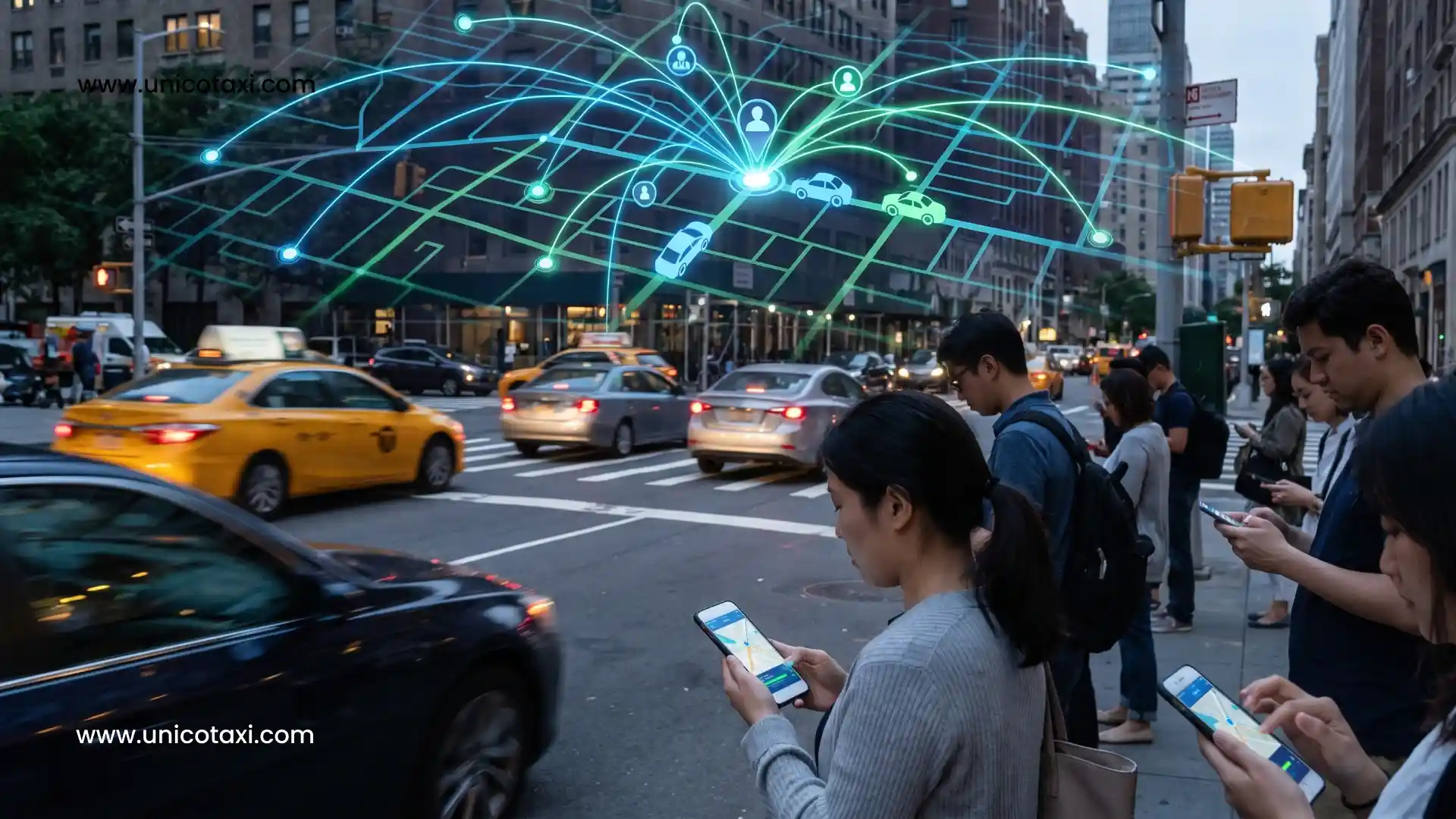
This is where Smart Driver-Passenger Matching Algorithms are transforming the ride-sharing industry. Powered by artificial intelligence (AI), GPS tracking, and real-time analytics, these algorithms evaluate multiple factors before assigning a ride, helping businesses reduce wait times, improve fleet efficiency, and increase customer satisfaction.
In this article, we'll explore how intelligent ride-matching works and why it's becoming an essential feature of modern ride-sharing systems.
The Driver-Passenger Matching Challenge
Every ride request creates a decision-making process.
The dispatch system must determine:
As ride volumes increase, these decisions become increasingly complex.
A poor matching system can result in:
An intelligent matching system solves these challenges by making data-driven decisions in real time.
What Are Smart Driver-Passenger Matching Algorithms?
A Smart Driver-Passenger Matching Algorithm is an intelligent dispatch engine that analyzes real-time data before assigning rides.
Instead of selecting only the closest driver, the system evaluates multiple variables simultaneously, including:
Using these inputs, the algorithm identifies the most suitable driver for each ride request, creating a better experience for everyone involved.
Many older dispatch systems simply assign rides based on proximity.
Although this method works in smaller fleets, it becomes inefficient as ride demand grows.
For example:
A nearby driver may already be completing another trip.
Another driver located slightly farther away might reach the passenger sooner due to lighter traffic.
Some drivers may have vehicles that better match customer preferences, such as premium rides or larger vehicles.
Without considering these factors, dispatch decisions become less effective, leading to unnecessary delays and lower fleet productivity.
Passengers value speed.
Smart matching algorithms calculate the fastest possible pickup instead of simply selecting the nearest driver.
This significantly reduces waiting time and improves customer satisfaction.
Idle drivers represent lost earning opportunities.
By distributing ride requests more efficiently, AI dispatch systems help drivers spend less time waiting for bookings and more time completing trips.
Higher driver utilization directly contributes to improved platform profitability.
Accurate driver assignments reduce cancellations from both drivers and passengers.
When drivers receive trips that align with their location and availability, acceptance rates improve, resulting in more completed rides.
Fast pickups, accurate arrival estimates, and reliable service create a better overall experience.
Satisfied passengers are more likely to become repeat customers and recommend the platform to others, supporting long-term business growth.
The Role of Artificial Intelligence in Ride Matching
Artificial Intelligence enables ride-sharing software to learn from operational data continuously.
AI-powered systems analyze millions of historical trips to identify patterns such as:
Using this information, the platform can make increasingly accurate dispatch decisions over time.
Instead of reacting to demand, AI helps businesses anticipate it, ensuring drivers are positioned where they're needed before ride requests are placed.
Real-Time GPS Tracking Enhances Dispatch Accuracy
GPS technology is another critical component of intelligent ride matching.
Real-time location tracking enables the dispatch system to monitor both drivers and passengers continuously.
This allows the platform to:
The result is a more efficient ride-sharing network that minimizes delays and improves operational performance.
One of the biggest advantages of Smart Driver-Passenger Matching Algorithms is their ability to predict demand before ride requests even occur.
Using historical ride data, real-time booking trends, weather conditions, local events, holidays, and traffic patterns, AI-powered ride-sharing platforms can forecast where demand is likely to increase.
This enables operators to:
Instead of reacting to ride requests, businesses can proactively prepare their fleet, creating a smoother experience for both passengers and drivers.
Driver availability is constantly changing throughout the day.
Smart ride-sharing platforms continuously monitor driver locations and automatically recommend repositioning based on predicted demand.
For example:
Dynamic positioning reduces empty driving, increases completed trips, and helps drivers spend more time earning instead of waiting.
Unlike traditional dispatch systems, modern ride-sharing software continuously improves through machine learning.
Every completed trip provides valuable information, such as:
By analyzing this data, machine learning models refine matching decisions and improve dispatch accuracy over time.
As more rides are completed, the platform becomes increasingly efficient, benefiting both drivers and passengers.
Also Read: How to Choose Ride-Hailing Software for a Startup?
Investing in intelligent ride allocation delivers measurable improvements across the entire business.
Some of the key benefits include:
Drivers spend less time waiting for ride requests and more time transporting passengers, improving earnings and overall satisfaction.
Optimized dispatch reduces unnecessary travel, fuel consumption, and empty mileage, helping businesses operate more efficiently.
Passengers are more likely to remain loyal to a platform that offers quick pickups, accurate ETAs, and reliable service.
Smart algorithms ensure vehicles are utilized effectively, allowing operators to serve more customers without increasing fleet size.
Advanced analytics provide fleet managers with valuable information about demand trends, driver performance, and operational efficiency, supporting better decision-making.
Modern ride-sharing businesses need more than basic dispatch software—they need intelligent technology that optimizes every trip.
UnicoTaxi's ride-sharing app combines AI-powered dispatch, real-time GPS tracking, and advanced fleet management tools to help operators improve service quality and maximize operational efficiency.
Key capabilities include:
By evaluating multiple factors in real time, UnicoTaxi's smart dispatch engine helps reduce wait times, increase driver utilization, and deliver a seamless experience for both riders and fleet operators.
As artificial intelligence continues to evolve, ride-sharing platforms will become even more intelligent.
Future innovations are expected to include:
Businesses that adopt these technologies early will be better equipped to meet growing customer expectations while maintaining a competitive advantage.
Final Thoughts
Efficient driver-passenger matching is at the heart of every successful ride-sharing platform. Traditional dispatch methods are no longer sufficient to meet today's expectations for speed, convenience, and reliability.
By implementing Smart Driver-Passenger Matching Algorithms, businesses can significantly reduce passenger wait times, improve driver utilization, lower operational costs, and enhance the overall customer experience.
Powered by AI, machine learning, GPS tracking, and real-time analytics, intelligent dispatch systems enable ride-sharing companies to make faster, more accurate decisions that benefit every stakeholder.
Whether you're launching a new ride-sharing startup or scaling an existing mobility business, investing in intelligent ride-matching technology is essential for long-term success.
With solutions like UnicoTaxi, businesses gain access to advanced dispatch capabilities that improve operational efficiency, strengthen customer loyalty, and support sustainable growth in the evolving mobility landscape.
Frequently Asked Questions (FAQs)
Smart Driver-Passenger Matching Algorithms use AI, GPS tracking, and real-time analytics to connect passengers with the most suitable available drivers, reducing wait times and improving fleet efficiency.
They analyze multiple factors such as driver location, traffic conditions, vehicle availability, and estimated arrival times to assign the best driver for each ride request.
AI continuously analyzes operational data to predict demand, optimize driver allocation, improve dispatch decisions, and enhance customer satisfaction.
Drivers receive better-quality trip assignments, experience less idle time, complete more rides, and increase their earning potential.
Yes. By reducing cancellations, improving fleet utilization, increasing completed trips, and enhancing customer retention, intelligent dispatch contributes directly to higher revenue and operational efficiency.
Satheesh
Share Article


Satheesh is a creative writer at UnicoTaxi, specializing in engaging and informative content about taxi clone apps and mobility solutions. With a strong grasp of the ride-hailing app ecosystem, he excels at turning complex technical concepts into clear, accessible insights. His writing highlights how digital innovations are reshaping taxi and on-demand service businesses. By blending clarity, creativity, and industry knowledge, Satheesh helps transport tech entrepreneurs stay ahead of emerging trends and innovations in the on-demand economy.


Get a Fast Response from our Sales Team