


21-08-2026
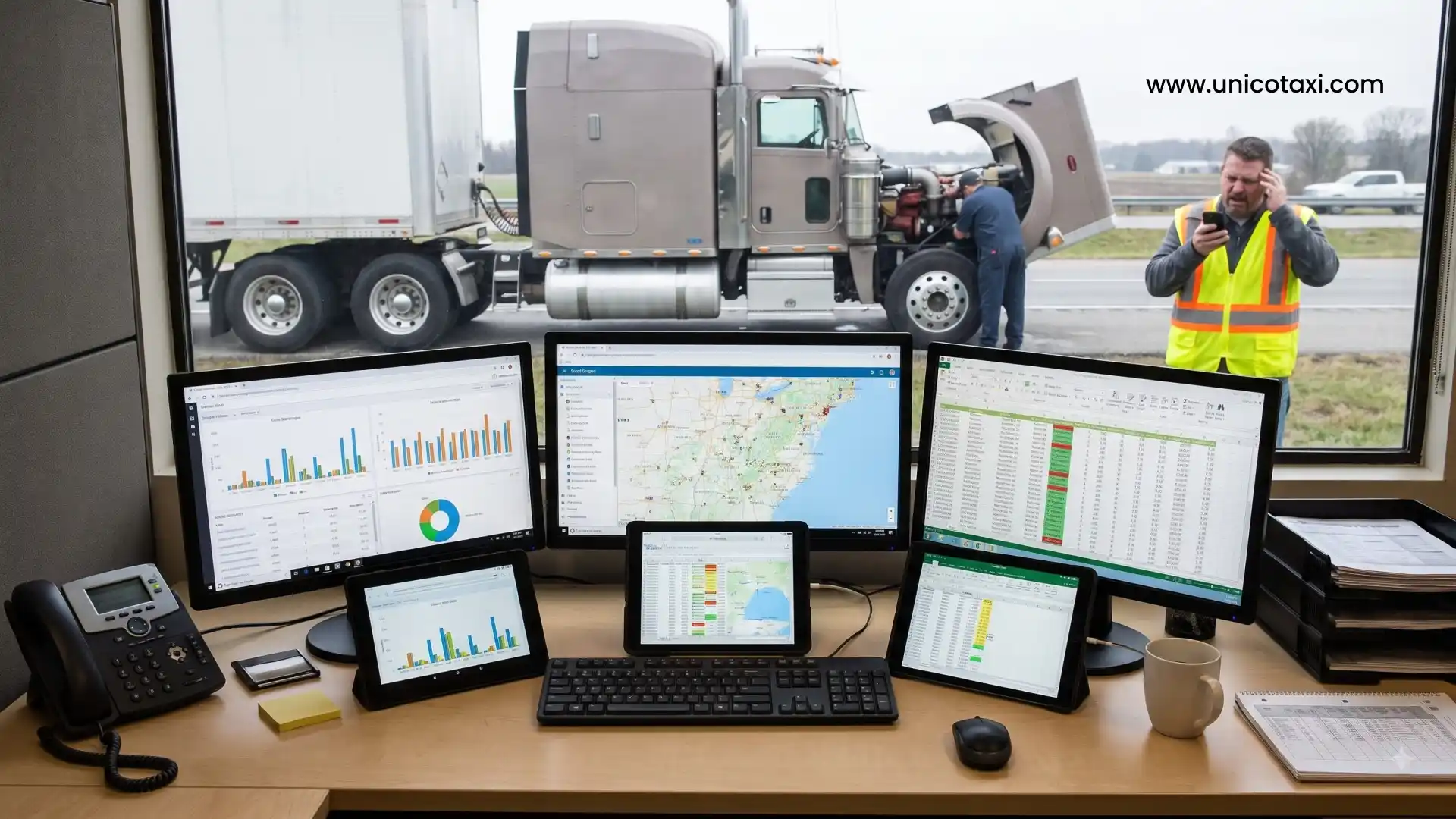
Research carried out by the industry suggests that about 27% of fleets are currently applying predictive maintenance in a meaningful and consistent manner, implying that almost three out of every four fleets still have to discover mechanical issues the difficult way when a vehicle actually breaks down. The reason for this gap is not that the technology is out of reach for fleet owners at this time. Rather, it is due to fleet data management spread out among separate systems that don't communicate with one another, causing warning signs to be hidden within data that no one is actually examining until it's too late.
For taxi and private hire operators a breakdown involves not only an expense for repairs but also a vehicle being out of action,a driver suffering a loss of income and passengers either having to wait or cancelling their bookings altogether. It is important for all fleet owners who want to run a reliable business in a market where riders have a large number of other alternatives to know why this gap continues and what causes it to close.
Today's vehicles produce vast quantities of diagnostic data, with continuous monitoring of engine temperature, fuel efficiency trends, idle time, and fault codes carried out by the on board systems. The issue is not one of lacking data, since the information tends to be stored in isolated sections: one system looks after fuel, another deals with maintenance records, a third is in charge of driver schedules, and none of these systems pass on any information to one another. Although each individual piece of data may seem ordinary, when put together the same data frequently reveals a quite different and more urgent story.
Effective fleet management software does not simply gather data; it links the data together. A fault code has very little significance by itself, but a slow increase in engine temperature combined with a steady decrease in fuel efficiency over similar routes tells a completely different story and can indicate a failing part weeks before a warning light appears on the driver's dashboard.
Fleets which have introduced predictive fleet maintenance say that they have achieved measurable results rather than just making vague claims. According to industry data, fleets that use predictive monitoring experience about a 32 per cent decrease in emergency repairs, together with substantial reductions in unplanned downtime since problems are detected weeks before failure rather than during it. In some cases, machine learning models trained on fleet data are now able to identify component failures with an accuracy rate exceeding 90 per cent, usually spotting issues 20 to 45 days before a conventional diagnostic check would do so, thereby giving fleet owners adequate time to plan their repairs around their own schedules rather than having to react to the vehicle's schedule.
It is not true that every fleet maintenance system addresses the issue of disconnected data in a meaningful manner. Rather, some systems merely digitise the existing approach that relies on silos, transferring paper logs into a spreadsheet without actually connecting vehicle diagnostics to scheduling, dispatch, or driver assignments. The genuine value is found in a platform in which maintenance data, vehicle location, and operational scheduling all reside in the same system.
Managing a transportation fleet involves much more than simply keeping the vehicles running, and maintenance forms the basis of all the other aspects that a fleet owner relies on on a daily basis. When a vehicle is pulled out of service because of an unexpected breakdown, it not only results in repair costs but also disrupts the drivers' schedules, delays the riders, and in a competitive local market causes customers to go to a competitor who has better reliability and fewer cancelled bookings.
The idea behind UnicoTaxi was that the data from the fleet should not be kept in separate fragments. All information about vehicle status, driver assignments, and trip history is presented on the same dashboard, enabling fleet owners a level of visibility that cannot be achieved with a collection of separate tools.
The difference between fleets that can predict breakdowns and those that still have to find out the hard way has nothing to do with which operators have access to better technology; it is simply a matter of whether or not they have linked their data. Since about three out of four fleets are still working in a reactive manner, the operators who are now closing that gap are gaining a real competitive advantage over those who continue to treat maintenance as something to be dealt with only after a problem occurs which is often at the most disadvantageous time for the business.
Fleet data management is not a future upgrade; it is currently enabling fleets that operate reliably to be distinguished from those which lose vehicles, drivers, and riders due to breakdowns that could have been detected weeks in advance if the correct systems had been put in place from the beginning.
Data from the industry indicates that fleets which use predictive monitoring experience about a 32 per cent reduction in emergency repairs, together with the ability to detect component failures weeks ahead of when a conventional inspection would do so.
Bala
Share Article


Bala serves as a Digital Content Specialist at UnicoTaxi, crafting comprehensive guides and resources tailored for taxi business owners and entrepreneurs. Drawing on extensive experience in mobility and transport tech, he transforms industry insights into practical, actionable strategies for launching, scaling, and thriving in taxi operations.


Get a Fast Response from our Sales Team