


28-07-2026
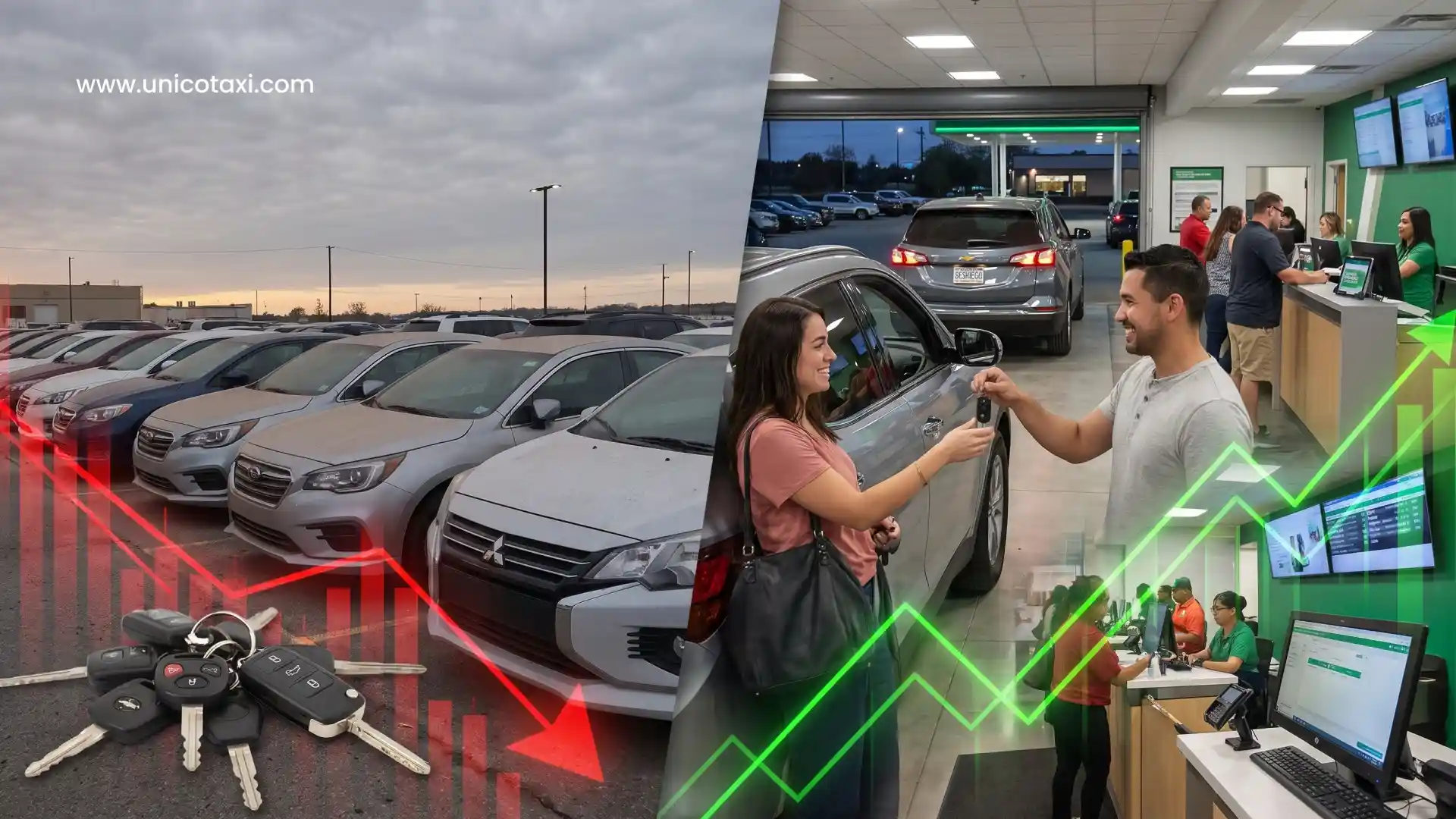
Running a successful car rental business is about much more than owning a fleet of vehicles. Every car parked in your lot without generating revenue represents a missed business opportunity. While fuel costs, maintenance expenses, and customer acquisition often receive the most attention, one of the biggest profit killers is frequently overlooked—vehicle idle time in a car rental business.
Idle vehicles continue to incur costs even when they're not being rented. Insurance premiums, depreciation, parking fees, financing costs, and routine maintenance don't stop simply because a vehicle isn't on the road. As idle time increases, profitability decreases.
Fortunately, modern fleet management technology enables rental companies to significantly improve vehicle utilization. Through intelligent scheduling, dynamic pricing, and data-driven demand forecasting, businesses can keep more vehicles on the road and maximize every investment in their fleet.
In this article, we'll explore why vehicle idle time in a car rental business directly impacts profitability and discuss practical strategies to reduce it.
Understanding Vehicle Idle Time in a Car Rental Business
Vehicle idle time refers to the period when a rental vehicle is available but not generating revenue. Unlike scheduled maintenance or unavoidable downtime, idle time often results from inefficient operations, inaccurate demand planning, or poor fleet visibility.
Some common causes include:
For growing rental companies, even a small increase in idle time can translate into thousands of dollars in lost revenue each month.
Meanwhile, that same vehicle produces no rental income.
When multiple vehicles remain idle simultaneously, overall fleet utilization declines, reducing return on investment and making expansion more difficult.
Improving vehicle idle time in a car rental business is therefore one of the fastest ways to increase profitability without purchasing additional vehicles.
Understanding the root causes of idle vehicles is the first step toward solving the problem.
Customer demand varies by location, season, and even time of day.
If too many vehicles remain parked at low-demand branches while other locations experience shortages, overall utilization decreases.
Real-time fleet visibility helps operators reposition vehicles where they're needed most.
Many rental businesses still rely on spreadsheets or disconnected reservation systems.
Manual scheduling often leads to:
Automated scheduling systems eliminate many of these inefficiencies while improving fleet availability.
Also Read: Top Benefits of Starting up a Car Rental Reservation System
Charging the same rental rate regardless of demand can leave vehicles sitting unused during slower periods.
Dynamic pricing allows businesses to adjust rental rates based on:
Flexible pricing strategies encourage bookings during off-peak periods while maximizing revenue during periods of high demand.
One of the most effective ways to reduce vehicle idle time in a car rental business is through dynamic pricing.
Instead of offering fixed rates throughout the year, dynamic pricing automatically adjusts rental prices according to market conditions.
For example:
This approach not only increases fleet utilization but also improves overall profitability by balancing occupancy with revenue optimization.
Scheduling is no longer just about assigning vehicles to reservations—it has become a strategic tool for maximizing fleet utilization.
Modern fleet management software enables rental companies to:
Automated scheduling minimizes idle periods by ensuring vehicles become available for the next customer as quickly as possible.
Businesses using intelligent scheduling often experience higher fleet utilization without increasing fleet size.
One of the biggest challenges in the rental industry is predicting customer demand accurately.
Historical booking data alone is no longer sufficient.
Modern demand forecasting analyzes multiple factors, including:
Using predictive analytics, rental companies can anticipate demand weeks or even months in advance.
This allows operators to prepare inventory, adjust pricing strategies, and relocate vehicles before shortages or excess inventory occur.
Demand forecasting transforms reactive fleet management into proactive business planning.
Data has become one of the most valuable assets for modern car rental businesses. Every booking, cancellation, vehicle movement, and customer interaction provides insights that can help improve operational efficiency.
With the right car rental management software, rental companies can monitor key performance indicators (KPIs) such as:
By analyzing this data regularly, operators can identify underperforming vehicles, adjust fleet allocation, optimize pricing, and make informed purchasing decisions. Instead of relying on assumptions, businesses can use real-time insights to continuously improve profitability.
Reducing vehicle idle time isn't only about internal operations—it also depends on customer satisfaction.
A smooth rental experience encourages repeat bookings and increases fleet utilization. Customers are more likely to return when they can:
Digital booking platforms and automated customer communication help eliminate friction throughout the rental process, ensuring vehicles spend less time waiting for the next reservation.
Manual processes often create unnecessary delays that leave vehicles sitting idle between rentals.
Automation streamlines critical workflows such as:
By reducing administrative work, staff can focus on customer service while vehicles return to the road faster.
Automation also minimizes human errors that can result in missed bookings or scheduling conflicts.
Modern mobility businesses require technology that delivers visibility, automation, and scalability. UnicoTaxi provides an advanced car rental management solution designed to help operators reduce idle vehicles and improve profitability.
Key capabilities include:
By bringing these tools together on a single platform, UnicoTaxi enables rental businesses to make faster decisions, increase vehicle utilization, and deliver better customer experiences while reducing operational costs.
Businesses that consistently optimize these areas often achieve higher utilization rates, stronger customer retention, and improved profitability without significantly expanding their fleet.
In today's competitive mobility market, every parked vehicle represents an opportunity cost. Vehicle idle time in a car rental business not only reduces revenue but also increases operating expenses through depreciation, insurance, financing, and maintenance.
Fortunately, idle time is a challenge that can be addressed with the right strategies. Dynamic pricing encourages bookings during slower periods, intelligent scheduling improves vehicle availability, and predictive demand forecasting ensures fleets are positioned where they're needed most. Combined with automation and data-driven decision-making, these approaches help rental companies maximize the return on every vehicle in their fleet.
Whether you're managing a small local rental operation or a multi-location enterprise, investing in smart fleet management technology is no longer optional—it's essential for sustainable growth.
Platforms like UnicoTaxi empower car rental businesses with the tools needed to optimize fleet utilization, improve operational efficiency, and increase profitability in an increasingly competitive industry.
1. What is vehicle idle time in a car rental business?
Vehicle idle time refers to the period when a rental vehicle is available but not generating revenue through customer bookings.
Idle vehicles continue to incur expenses such as insurance, depreciation, maintenance, parking, and financing while producing no rental income.
Dynamic pricing adjusts rental rates based on demand, encouraging bookings during slower periods and maximizing revenue during peak seasons.
Demand forecasting uses historical and real-time data to predict future bookings, allowing operators to position vehicles efficiently and avoid underutilization.
Fleet management software automates scheduling, tracks vehicle availability, analyzes utilization trends, supports dynamic pricing, and provides real-time insights that help maximize fleet efficiency.
Bala
Share Article


Bala serves as a Digital Content Specialist at UnicoTaxi, crafting comprehensive guides and resources tailored for taxi business owners and entrepreneurs. Drawing on extensive experience in mobility and transport tech, he transforms industry insights into practical, actionable strategies for launching, scaling, and thriving in taxi operations.


Get a Fast Response from our Sales Team