


20-12-2025
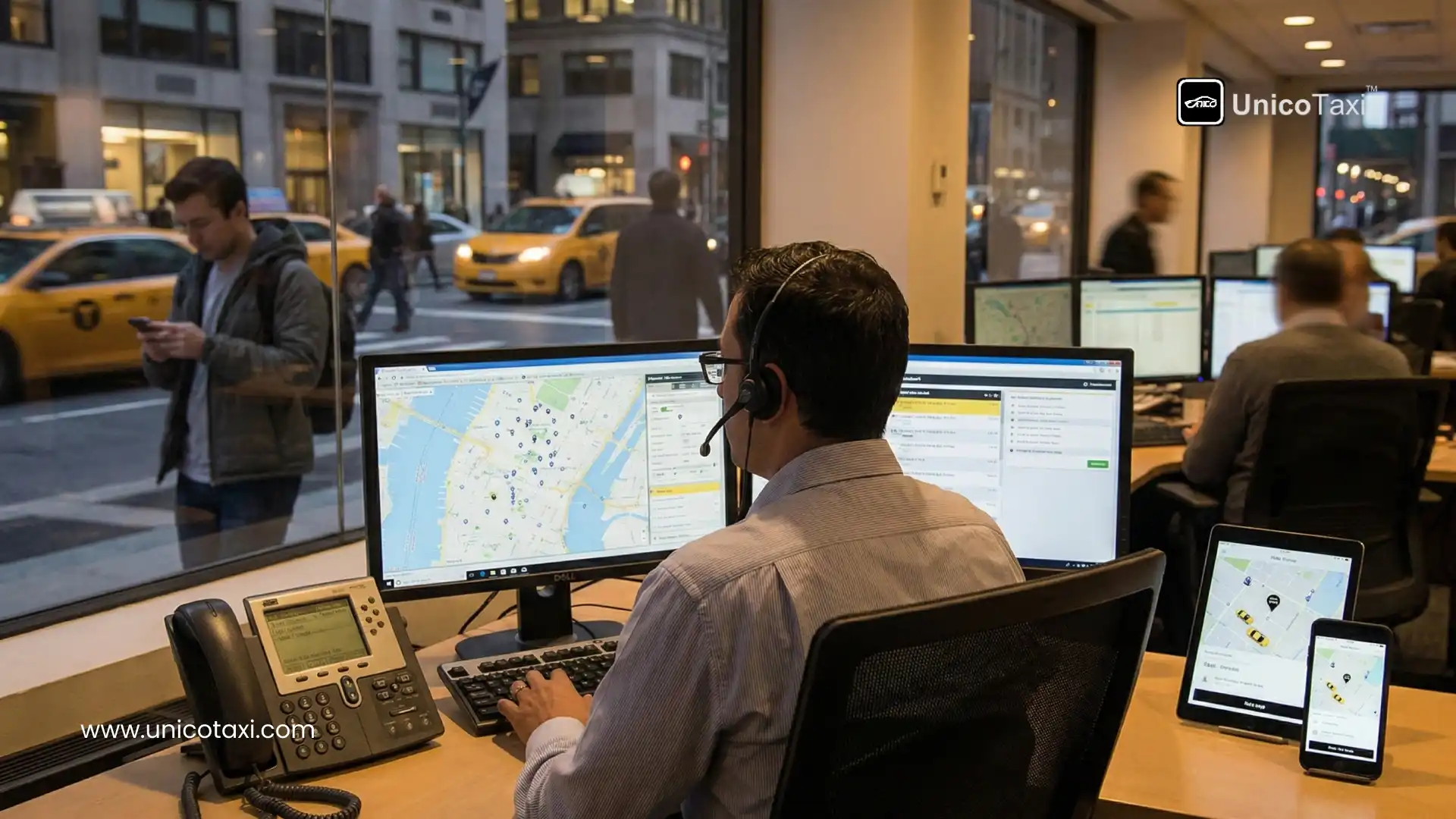
In 2026, passengers expect convenience. Some want to tap and go on an app; others still prefer calling a familiar number, especially corporate clients, elderly riders, or folks in areas with spotty data. That’s why modern taxi dispatch platforms that support both phone (call/IVR/call-center) and mobile/web app booking give operators the competitive edge: they capture every customer, streamline operations, and reduce missed rides. This post walks you through why that matters, which vendors do it well, what to look for, and how to choose the right fit for an American fleet.
When we say a dispatch solution supports phone + app booking, we mean:
Traditional call centers take calls, plus automated IVR/voice systems that let riders place bookings by phone without a human operator. These integrate into the dispatch console, so calls become jobs automatically.
Passenger-facing iOS/Android apps and web booking widgets that let users request, track, and pay for rides.
Why is that important? Because it turns every incoming customer interaction, whether a ring or a tap, into a managed trip with ETA, driver assignment, and notifications. No double entries, no lost calls, and a consistent customer experience.
In today’s taxi market, not every customer books the same way. Some riders still prefer to call and speak to a dispatcher, while others expect the convenience of booking a ride through a mobile app. UnicoTaxi understands this reality and is built to support both phone bookings and app-based bookings in one unified dispatch system. Let’s discuss that in detail.
UnicoTaxi is a full-service taxi dispatch platform that gives operators both sides of the booking equation: a traditional dispatch system that handles phone bookings, and mobile apps for modern, app-first riders, all tied into one unified workflow, so you aren’t juggling separate systems.
UnicoTaxi’s dispatch solution includes a Dispatcher Panel, essentially a powerful command center for your team. Through this dashboard, dispatchers or call-center staff can:
In other words, your call agents aren’t just taking notes; they’re feeding rides directly into the same system that handles app requests, and drivers get those jobs through the driver app just like any other booking.
This removes the old headache where call bookings sat separately on a whiteboard or spreadsheet, and keeps your entire operation running smoothly and consistently.
On the passenger side, UnicoTaxi offers a native app experience for riders on both iOS and Android devices. This gives your customers the modern convenience they expect:
With UnicoTaxi’s setup, the booking a rider makes in their app shows up in the same dispatch system that the call-center team uses. That means your drivers aren’t pulled in two different directions — they simply see the next job, whether it came from a tap or a phone call.
Also Read: Why Modern Passenger Transport Companies Choose UnicoTaxi’s Dispatch Solution
In the U.S., competition from ride-hail giants like Uber and Lyft has made it essential to offer app-based booking. But there’s still a huge audience that prefers direct human interactions, especially:
UnicoTaxi lets you serve both sides of that customer base without turning your back on either one. Your dispatchers can still take a call and enter it into the system just like an app order, and every dispatcher, driver, and rider sees the same workflow.
That’s the sweet spot many taxi operators are chasing: the reach of an app and the reliability of personal service, all tied into a single dispatch engine that keeps everything running in sync.
When evaluating vendors, check these features that make the phone + app promise real:
Here’s a simplified flow:
Good platforms automate as much as possible: some limit the need for a human operator by letting callers book via voice-guided menus while still keeping the booking data rich
There’s no one-size-fits-all. If your operation still gets heavy phone traffic (hospital transfers, corporate accounts, senior citizens), don’t chase an app-only solution. Choose a dispatch Software like UnicoTaxi that treats the phone as a first-class booking source — with IVR to reduce load and a passenger app to capture younger, app-first riders. Start with a pilot on a single route or group of drivers, measure app adoption vs. phone bookings, and then expand.
Startups and the fleet operators provide white-label apps to launch Private-label dispatch platforms, which will save the cost and time of developing custom taxi software. These solutions offer customizable passenger and driver apps, an admin panel, and features that are needed for your brand, aligning with your business needs. Many leading dispatch providers offer these solutions, but choosing the one that helps you achieve a strong brand presence, scale fast, and provide efficiency is hard to find. This blog will help you find one that helps your brand get an effective dispatch solution with white-label apps.
Think of UnicoTaxi like this:
That’s a huge advantage over patching together an old phone system with a separate app service. With UnicoTaxi, you get a single source of truth for every ride request.
If your goal is to modernize operations without abandoning the customers who built your business, UnicoTaxi is a smart pick. It gives you the reliability of classic taxi dispatching combined with the convenience of today’s app-driven world, helping your business stay competitive, efficient, and ready for what’s next.
Kiruthika
Share Article


Kiruthika is a Senior Content Writer at UnicoTaxi. She has been in the content writing industry for over 5 years and works closely with taxi, mobility, and on-demand delivery businesses. She understands the pulse of the transport tech industry, researches evolving market trends, and creates content that educates, informs, and drives growth. Kiruthika is passionate about storytelling, loves simplifying complex topics, and enjoys connecting with readers through impactful writing.

Get a Fast Response from our Sales Team