


11-08-2026
In a large number of Western markets, cards and digital wallets immediately took the place of ride-hailing services. However, in a great deal of the Middle East this shift did not take place entirely, and there are valid reasons for this.
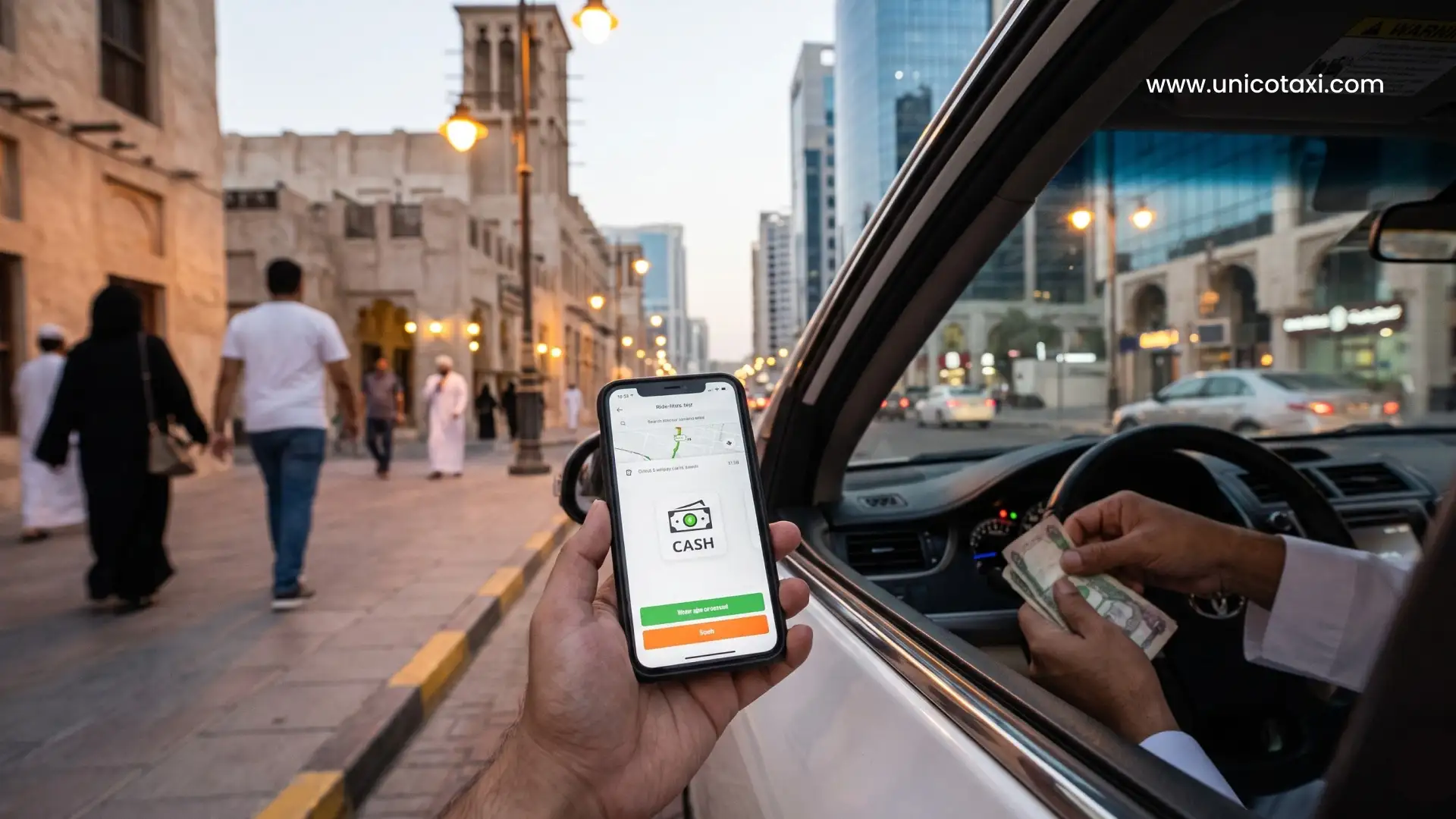
A ride-hailing app built only around card payments is already starting from the wrong assumption in this region. Building a true cash payment ride-hailing app means rethinking several parts of the experience most Western-built apps take for granted.
Before the journey starts, riders want to know the exact amount of money that will be involved when the payment is made in cash. A cash payment taxi app should display a clear and fixed fare prior to the start of the trip, not an estimate that changes after the journey has already started. It is this one feature that gets rid of most of the trouble that cash payments would otherwise cause.
Drivers who carry out several cash trips each day need a simple method of seeing how much they have collected without having to work out the figures themselves. Good ride-hailing payment methods built into the driver app track cash totals automatically keep track of the cash totals, so that at the end of a shift the driver always knows how much is due to the platform and how much is already theirs to keep.
The best apps in the area allow riders to choose between cash, card, or digital wallet when they book a ride and then switch among these options from one journey to the next. Imposing just one method particularly requiring the use of cards on a market which still relies heavily on cash is one of the quickest ways for a Middle East ride-hailing app operating to lose its riders to a competitor that provides greater flexibility.
A dispatcher from Cairo once explained the situation during the early stages of introducing card payments throughout her fleet. People who had used it once usually returned to paying with cash the following time they booked a ride. This was not due to a lack of trust in the technology; rather it was a matter of habit, a sense of comfort, and in a number of cases simply because they did not want a card linked to an app which kept track of their daily movements.
It is precisely for reasons such as the one from Cairo that cash should not be treated as a secondary feature hastily added to an application which is primarily designed for card payments. UnicoTaxi was from the beginning designed with this situation in mind, not something that was added later as a last resort.
People who own taxis and those who are CEOs in the United States may think that this issue only applies to fleets that operate abroad. That assumption is very wrong, In many U.S. cities there are large communities of immigrants and people from diaspora groups throughout the Middle East, South Asia, and Latin America, and in these groups cash is still preferred. A taxi app that is designed solely for card payments can therefore lose out on a whole group of passengers who just want the chance to pay in the way they are used to.
Cash is not vanishing from the ride-hailing industry in the Middle East, and acting as if it results in apps that annoy the riders that the companies are attempting to serve. The fleets that are succeeding in winning riders in this area are those that have been integrating cash and digital payments from the very beginning, rather than viewing cash as a problem to phase out slowly. The operators who run UnicoTaxi are already in a position to provide this flexibility, no matter where their riders are or how they prefer to pay.
Yes, when booking riders have the option to pay by cash, by card, or by using a digital wallet, and drivers automatically see each cash transaction logged in the same dashboard as the digital payments.
The reason people continue to prefer cash is that they have limited access to bank accounts, are comfortable handling money in person, and have concerns about the details of cards that are saved.
UnicoTaxi records each cash trip as it takes place, which means that both drivers and dispatchers have a running total without having to carry out a manual count at the end of a shift.
Yes, when booking UnicoTaxi riders can select their preferred method, with no one method being promoted more than any other.
Shreya
Share Article


Shreya is a Content Writer at UnicoTaxi with a passion for creating content that is simple, informative, and easy to understand. She writes about taxi dispatch software, ride-hailing technology, and mobility solutions, helping businesses stay updated with the latest industry trends. With a strong interest in SEO and digital marketing, she enjoys turning complex ideas into content that provides real value to readers. Shreya believes that good content should not only rank well on search engines but also answer people’s questions in a clear and engaging way.


Get a Fast Response from our Sales Team