


05-08-2026
Bolt did not beat larger competitors by imitating them. It succeeded by charging drivers a lower commission, allowing it to offer competitive prices to riders while still attracting drivers from other platforms. This method has made Bolt like App particularly strong in markets outside the biggest global cities, like regional cities across Africa and Eastern Europe, where it now has a leading or nearly leading position.
In simple terms, a Bolt Clone App is a ready to use ride hailing platform that includes a passenger app, a driver app, and an admin panel. It is designed around the same lower
commission, driver friendly method that made Bolt successful.
Not every transportation business fits this model equally well. Here’s who tends to benefit the most.
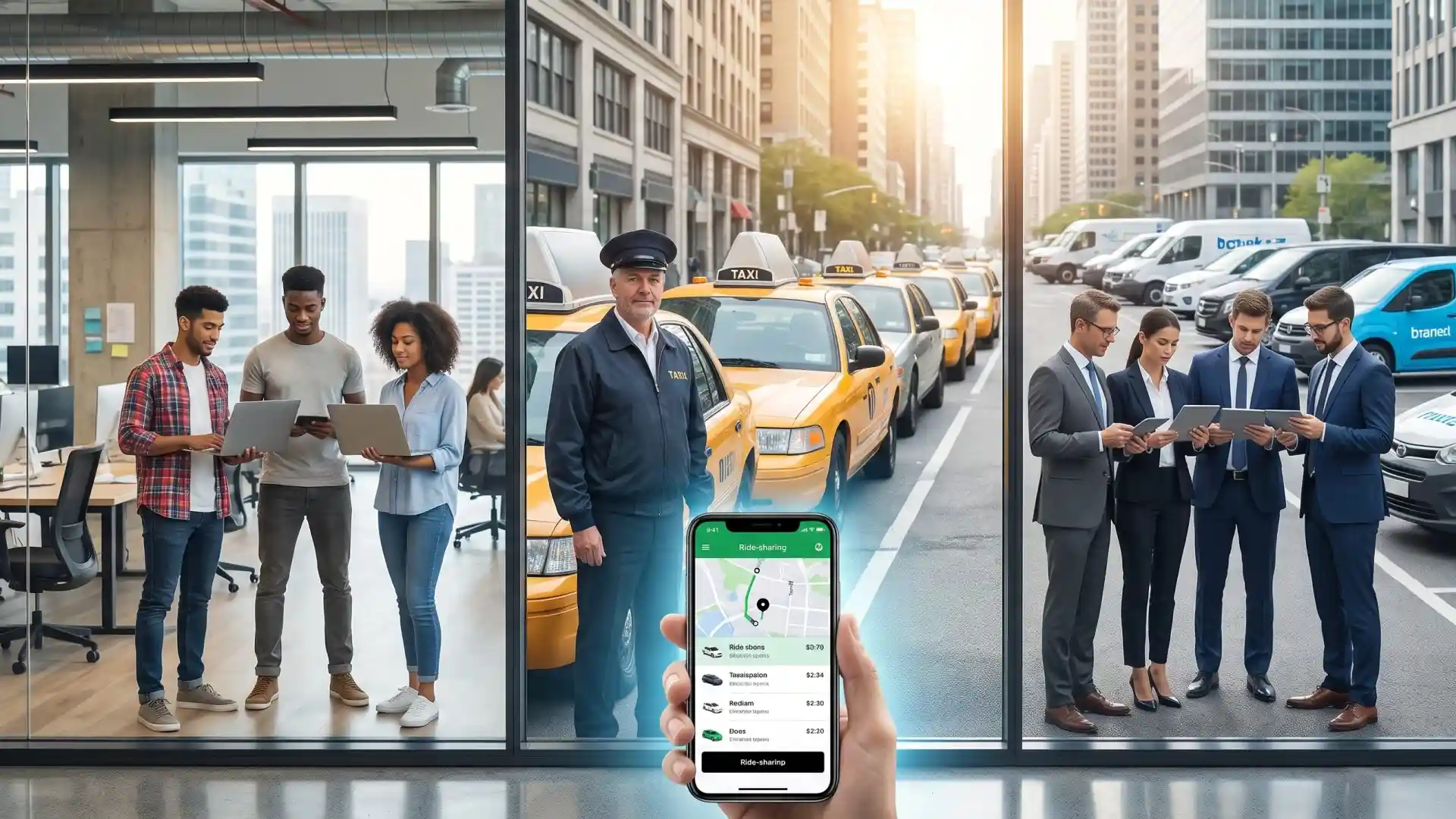
A new ride-hailing startup must win over drivers before it can attract riders, and drivers often go where the commission is lowest. A lower commission model gives a startup a real advantage in attracting drivers from day one, rather than solely competing on marketing spend against larger, better-funded competitors.
This group is arguably the best fit of all. Bolt's growth largely came from succeeding in cities and areas that bigger competitors deemed secondary markets. A regional taxi operator already serving a mid sized city or a cluster of smaller towns can use this same strategy. They can compete with driver-friendly commissions instead of trying to out market a global brand in a market that brand may not even recognize.
A fleet aggregator, which manages several smaller operators under one technology system, benefits more from the flexibility of a white-label app than from the commission structure itself. Being able to operate multiple branded apps, each serving a different city or operator, from one system is often the real advantage.
Custom taxi app development typically costs between $50,000 and over $150,000 and can take six months to a year or longer to finish. A ready made Bolt like app, by contrast, usually costs less than the custom taxi app and can be prepared for launch in weeks.
This depends on your market and your drivers. An Uber-style clone often suits businesses targeting large, competitive metro areas where brand recognition is crucial. A Bolt like app alternative fits businesses in smaller or mid sized markets, where a lower commission and stronger relationships with drivers matter more than competing with a global brand in marketing alone.
If you are launching in a smaller or local market, focus on driver commission in your pitch to recruit drivers, rather than just rider pricing.
license access to it? What if you want to add deliveries or scooters later? Is that included or will it cost extra? And how much ongoing support is provided once the app goes live, since launch day is just the beginning?
UnicoTaxi offers a ready made, white-label ride-hailing platform built to support a lower commission, driver friendly model like the one that made Bolt successful in many markets.
There is no single right answer for who should invest in this. Startups often need it to attract drivers early. Regional taxi operators usually find it better suited to their market than a big city strategy. Fleet aggregators typically prioritize flexibility over the commission model itself.
No. While Bolt mainly operates outside the US, the lower commission, driver friendly model can also work well for US-based regional operators competing outside main metro areas.
The core technology is similar; it includes a passenger app, driver app, and admin panel. However, a Bolt-style clone generally focuses on a lower driver commission and often includes multiple service options like deliveries.
Yes. Bolt itself grew by succeeding in markets that bigger competitors failed to notice, which is exactly where many local businesses currently find themselves.
Flexibility is key. They need to operate multiple branded apps or manage various operators from one internal system, rather than being stuck with a single brand or commission structure.
No. A lower commission structure helps a smaller or newer business attract drivers away from competitors initially, rather than requiring a large driver base to justify it.
Bala
Share Article


Bala serves as a Digital Content Specialist at UnicoTaxi, crafting comprehensive guides and resources tailored for taxi business owners and entrepreneurs. Drawing on extensive experience in mobility and transport tech, he transforms industry insights into practical, actionable strategies for launching, scaling, and thriving in taxi operations.

Get a Fast Response from our Sales Team