

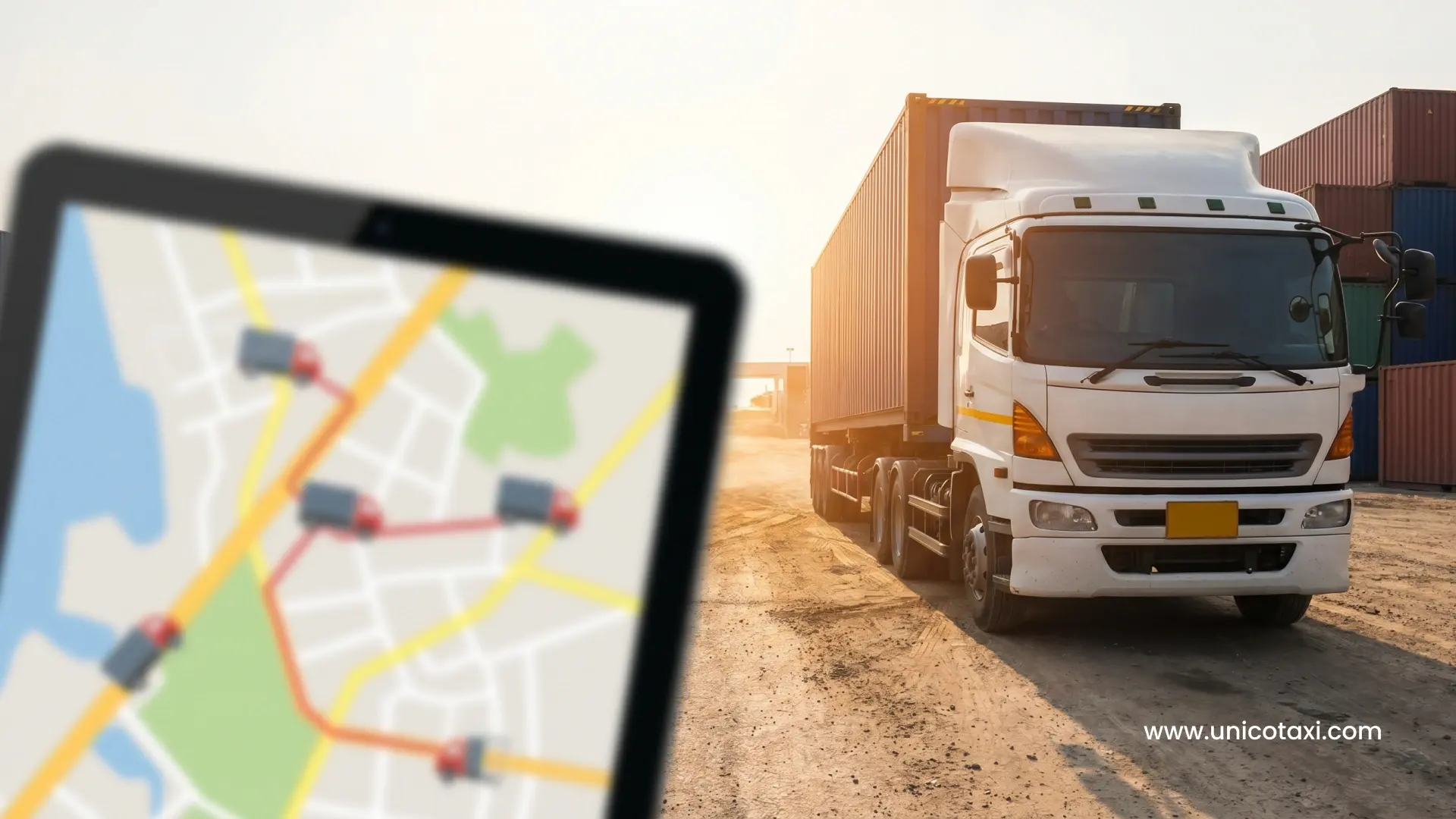

Uber for Truck Clone App: 5 Ways to Revolutionize Freight Hauling

The logistics and freight industry is undergoing a digital transformation, driven by the increasing demand for fast, transparent, and efficient delivery solutions. One of the most disruptive innovations in recent years is the emergence of Uber for Truck platforms, which is an on-demand freight hauling solutions that connect shippers with truckers via mobile and web apps, much like Uber connects passengers with drivers.

Building an Uber for Truck clone isn’t just about replicating technology; it’s about reimagining freight hauling through intelligent systems, real-time tracking, dynamic pricing, and a seamless user experience. As traditional freight models struggle with inefficiencies, empty miles, and a lack of visibility, tech-driven logistics apps are offering smarter solutions. In this article, we will explore five key strategies that can revolutionize your freight hauling business using an Uber for Truck clone.

Table of Contents

  • The Origin and Insights of On-Demand Trucking Platforms
  • The Impact of Uber Freight on Modern Logistics
  • Exploring the Challenges and Potential of Uber for Truck Clone Solutions
  • Shaping the Future of Freight: 5 Strategic Approaches for Uber for Truck Clone Solutions
  • Fuel Your Truck Dispatch Software with These Powerful Features
  • Why Freight Haulers Are Turning to Uber for Truck Clone Solutions
  • UnicoTaxi’s Uber Clone: Pioneering the Path to Digitization
  • FAQs

The Origin and Insights of On-Demand Trucking Platforms

The logistics and transportation sector has undergone a significant shift with the emergence of on-demand trucking platforms. These digital solutions, often compared to Uber for trucks, have revolutionized the way freight is booked, managed, and delivered. By connecting shippers directly with carriers through intuitive mobile and web applications, these platforms streamline operations, reduce empty miles, and enhance transparency across the supply chain. As businesses increasingly demand faster, more flexible delivery options, on-demand trucking services have become a vital component in modern logistics, offering real-time tracking, dynamic pricing, and improved efficiency for both shippers and drivers.

The global truck market is currently valued at USD 205.10 billion and is projected to grow at a compound annual growth rate of 18.40% between 2025 and 2032.

The Impact of Uber Freight on Modern Logistics

Uber Freight has significantly reshaped modern logistics by introducing a technology-driven approach to freight management. By leveraging a user-friendly digital platform, it connects shippers with truck drivers in real time, streamlining the freight booking process and reducing traditional inefficiencies. This model enhances transparency, optimizes route planning, and minimizes empty truck miles, leading to cost savings and improved delivery times. Furthermore, Uber Freight empowers smaller carriers by giving them access to a larger network of shipping opportunities, promoting fairer pricing and increased competitiveness. Overall, its impact has accelerated the shift toward more agile, responsive, and data-informed logistics operations across the supply chain.

Exploring the Challenges and Potential of Uber for Truck Clone Solutions

Uber for Truck Clone App Development offers immense potential to modernize freight and logistics, but it also comes with a unique set of challenges. On the opportunity side, such platforms can streamline operations, reduce idle capacity, offer real-time tracking, and connect shippers with carriers more efficiently. They open doors to improved transparency, cost-effectiveness, and scalability in logistics management.

However, the road to success isn’t without hurdles. Building a reliable and scalable system requires significant investment in technology, regulatory compliance, and trust-building among users. Challenges like driver availability, fluctuating fuel prices, route optimization, and real-time communication need to be carefully addressed. Moreover, ensuring seamless UX, data security, and strong customer support are critical for gaining and retaining users.

Despite these challenges, the long-term benefits and growing demand for flexible, digital logistics solutions make AI-powered truck dispatch software a promising venture for startups and logistics providers alike.

Shaping the Future of Freight: 5 Strategic Approaches for Uber for Truck Clone Solutions

  1. Prioritize Real-Time Matching and Tracking: To create a seamless logistics experience, your platform must enable instant and efficient matching of shippers with nearby carriers. Leveraging cutting-edge GPS technology and AI-driven algorithms enables real-time load matching and efficient route optimization. Additionally, offering live tracking for shipments increases transparency, helps manage expectations, and builds trust between all parties involved.
  2. Optimize User Experience Across All Touchpoints: An intuitive and user-friendly interface is crucial for both truck drivers and shippers. Simplifying the booking process, providing clear payment options, and enabling smooth communication can significantly improve user retention. A frictionless experience ensures that users return to your platform and recommend it to others, fueling organic growth.
  3. Leverage Data for Smart Logistics Decisions: Data analytics is a game-changer in on-demand trucking. By collecting and analyzing data on shipment patterns, delivery times, and driver performance, your platform can make informed decisions that reduce costs and enhance efficiency. Predictive analytics can help anticipate demand spikes, optimize routes, and allocate resources more effectively.
  4. Ensure a Scalable and Secure Technology Infrastructure: As your user base expands, your platform needs to support higher demand while maintaining optimal performance. Building on scalable cloud infrastructure ensures smooth operation during peak periods. Simultaneously, implementing strong security protocols protects sensitive user data and maintains compliance with regulations, which is vital to building credibility.
  5. Establish a Trusted and Efficient Network: Focus on recruiting and retaining high-quality drivers through incentives and support programs. Likewise, engage shippers with reliable service, competitive pricing, and excellent customer support. Strong partnerships create a dependable ecosystem that drives consistent business and growth.

Also Read: How to Develop an Uber for Truck Clone App?

Fuel Your Truck Dispatch Software with These Powerful Features

  1. Real-Time Load Matching: Instantly connect shippers with nearby carriers using smart algorithms and location-based services, ensuring faster bookings and reduced idle time.
  2. Live Shipment Tracking: Enable real-time GPS tracking so shippers and receivers can monitor cargo movement from pickup to delivery, improving transparency and trust.
  3. Dynamic Pricing and Fare Calculation: Automate pricing based on distance, load type, vehicle availability, and demand, offering competitive and flexible rates to both parties.
  4. In-App Communication: Facilitate seamless interaction between shippers and drivers with built-in chat or call features, minimizing delays and misunderstandings.
  5. Digital Documentation and E-Signatures: Allow users to upload, manage, and sign necessary documents digitally, streamlining compliance and reducing paperwork.
  6. Multi-Vehicle Support: Offer a range of vehicle options from small vans to large trucks to accommodate various freight needs.
  7. Ratings and Reviews System: Encourage accountability and service quality with feedback features for both drivers and shippers.
  8. Secure Payment Gateway Integration: Support multiple payment methods and ensure fast, secure transactions with integrated billing and invoice generation.
  9. Admin Dashboard & Analytics: Give platform owners full control with a centralized dashboard to monitor operations, analyze performance, and make data-driven decisions.

Kick Start Your Truck Business With Our Uber for Truck Clone App

Get Exclusive Demo

Why Freight Haulers Are Turning to Uber for Truck Clone Solutions

  • Real-Time Load Access and Matching: One of the biggest advantages of Uber for Truck clone platforms is the ability to access available loads instantly. Freight haulers can connect with shippers in real time, minimizing downtime and maximizing their vehicle utilization.
  • Enhanced Operational Efficiency: These platforms automate key tasks like dispatching, invoicing, and route planning. By removing manual processes, freight haulers can reduce administrative burdens and focus more on actual driving and delivery. Features like automated notifications, digital documentation, and real-time updates further boost overall productivity.
  • Increased Transparency and Trust: With live tracking, digital proof of delivery, and built-in communication tools, haulers can maintain full transparency with shippers throughout the delivery process. This transparency not only improves the customer experience but also builds long-term trust between carriers and clients.
  • Access to a Wider Network of Shippers: Truck Booking App open the door to a broader market. Independent drivers and small fleet operators can tap into a larger pool of shippers without the need for brokers or intermediaries. This increased exposure leads to more consistent work opportunities and stronger revenue streams.
  • Fair Pricing and Fast Payments: Freight hauling app often come with built-in pricing algorithms that ensure competitive and transparent rates. Additionally, integrated payment gateways enable faster transactions, helping haulers get paid quickly and reliably, something that’s often a challenge in traditional logistics setups.

Bonus Read: 5 Popular Payment Gateways to Improve Your Taxi Booking App

UnicoTaxi’s Uber Clone: Pioneering the Path to Digitization

Revolutionizing freight hauling requires more than just adopting technology; it demands the right strategies and a robust platform to bring them to life. Best Uber for Truck Clone solution, when built with the right features and scalability, can transform logistics operations by improving efficiency, reducing costs, and enhancing transparency. UnicoTaxi’s Uber Clone for Truck empowers logistics providers with all the tools needed to succeed in this digital shift from real-time load matching and live tracking to seamless payments and scalable infrastructure. By leveraging UnicoTaxi’s proven technology, businesses can stay ahead of the curve, deliver smarter freight solutions, and confidently lead the future of on-demand logistics.

Reshape Your Customer Experience with UnicoTaxi’s Uber Clone Booking App

Start Your Free Trial

FAQs:

1. What is an Uber for Truck Clone App?

An Uber for Truck Clone App is a logistics platform that connects shippers and truck owners in real time, enabling businesses to book trucks, manage freight shipments, track deliveries, and automate dispatch operations through mobile and web applications.

2. How does an Uber for Truck Clone improve freight hauling efficiency?

It improves efficiency by automating truck dispatching, matching loads with available drivers, optimizing delivery routes, providing GPS tracking, and reducing manual coordination between shippers and carriers.

3. What features should a modern truck dispatch software include?

A modern truck dispatch software should include real-time load matching, GPS tracking, route optimization, driver management, fleet monitoring, automated billing, payment processing, and analytics dashboards.

4. How much does it cost to develop an Uber for Truck Clone App?

The cost depends on app features, customization requirements, supported platforms, integrations, and scalability needs. White-label solutions are generally more affordable and faster to launch than building from scratch.

5. Why are logistics startups investing in Uber for Truck Clone solutions?

Logistics startups invest in Uber for Truck Clone solutions because they reduce operational costs, improve fleet utilization, automate freight management, increase transparency, and create a scalable digital freight marketplace.

About the Author

avatar

Satheesh

Share Article

Satheesh is a creative writer at UnicoTaxi, specializing in engaging and informative content about taxi clone apps and mobility solutions. With a strong grasp of the ride-hailing app ecosystem, he excels at turning complex technical concepts into clear, accessible insights. His writing highlights how digital innovations are reshaping taxi and on-demand service businesses. By blending clarity, creativity, and industry knowledge, Satheesh helps transport tech entrepreneurs stay ahead of emerging trends and innovations in the on-demand economy.